

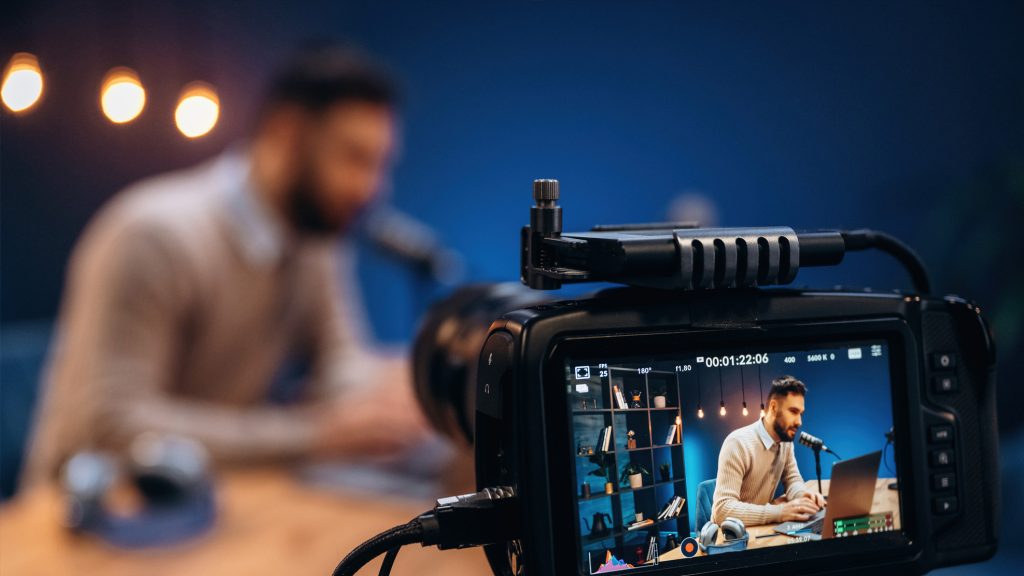
Introduction
Podcasting has come a long way from its humble, audio-only beginnings. What once started as a format for commuters and multitaskers has evolved into a visually immersive experience. In recent years, video podcasting has exploded across platforms like YouTube, Spotify, and TikTok — reshaping how audiences consume content and how brands engage their followers. The question isn’t whether video podcasting is the future of the medium; it’s why everyone’s watching it now.
1. The Shift from Listeners to Viewers
Traditionally, podcasting was about listening. But as attention spans shortened and social media algorithms favored visuals, audiences began seeking richer, more engaging experiences. This shift gave rise to the video podcast — where seeing the host, the guest, and their dynamic interaction adds a layer of authenticity.
According to Edison Research, nearly 37% of U.S. podcast consumers now prefer watching their favorite podcasts. Platforms like YouTube have become the number one discovery channel for podcasts, surpassing Spotify and Apple Podcasts. The reasoning is simple: visuals make stories more human.
- Eye contact and body language foster trust.
- Seeing reactions makes conversations feel genuine.
- Video makes repurposing content into short-form clips effortless.
In essence, video podcasting isn’t replacing audio — it’s expanding its universe.
2. Visual Storytelling Builds Deeper Connection
Humans are wired for visuals. The brain processes imagery 60,000 times faster than text, and video enhances emotional connection. For podcast hosts and brands, this means your audience doesn’t just hear your passion — they see it.
Visual storytelling transforms podcasts into mini-documentaries. For example:
- A finance podcast can show charts, case studies, or live reactions.
- A fitness brand can demonstrate exercises instead of describing them.
- A business show can display behind-the-scenes footage, making the brand relatable.
These visual layers create emotional depth and trust, especially important for businesses that rely on personal relationships and expertise.
3. Platforms Powering the Video Podcast Boom
YouTube: The Search Engine for Podcasts
YouTube is the world’s second-largest search engine, and it’s revolutionized podcast discoverability. Unlike traditional podcast apps, YouTube’s algorithm promotes relevant content even if a user wasn’t searching for podcasts. This means a well-optimized episode title or thumbnail can organically reach thousands.
Spotify Video Podcasts
Spotify has integrated video podcasting into its ecosystem, allowing creators to upload full-length episodes directly. Listeners can seamlessly switch between watching and listening without losing progress.
TikTok, Instagram Reels & Shorts
These short-form platforms thrive on snackable moments. Podcast creators are cutting 15-60 second clips of key insights or funny moments, driving traffic back to full episodes. These micro-moments serve as free advertising, often reaching millions organically.
4. The Business Benefits of Video Podcasting
For brands and creators alike, video podcasting provides measurable business value:
- Stronger Personal Branding: Seeing the host’s expressions humanizes the message.
- Higher Engagement Rates: Viewers comment, share, and tag others more than audio listeners.
- Repurposing Efficiency: A single recording session yields dozens of clips, reels, and quote graphics.
- SEO Power: Video transcripts boost visibility on Google and YouTube.
- Monetization Options: YouTube ads, sponsorships, and affiliate links can supplement traditional podcast revenue.
In short, video podcasting is not just content creation — it’s a marketing engine.
5. Overcoming the Myths
Many creators avoid video podcasting because of perceived barriers: cost, equipment, or complexity. The truth? It’s never been easier. With minimal gear — a DSLR or even a modern smartphone, a decent mic, and simple lighting — creators can achieve professional quality.
Software tools like Riverside.fm, Descript, and DaVinci Resolve streamline remote recording, editing, and publishing. Meanwhile, cloud-based editing and AI automation mean even small teams can produce cinematic-quality shows.
6. Why Brands Are Jumping In
Brands are realizing that video podcasting builds community, not just content. It humanizes the corporate voice and builds familiarity through repeated exposure. A podcast becomes more than marketing — it becomes a platform for thought leadership, education, and brand storytelling.
For example:
- A property firm might host episodes on real-world development stories.
- A solar energy company can interview customers about sustainability.
- A training center can feature instructors sharing safety insights.
Each episode deepens the emotional bond between brand and audience. When people see faces, they remember names.
7. Future Trends in Video Podcasting
- AI-Powered Insights: AI tools are analyzing podcast transcripts to auto-generate topics, summaries, and marketing assets.
- Interactive Episodes: Platforms are testing polls and live chat overlays for engagement.
- 360° and Immersive Experiences: As VR becomes mainstream, podcasts could become fully interactive.
The trend is clear: the line between podcast, YouTube show, and TV program is blurring fast.
Key Takeaways
- Video podcasting bridges authenticity and storytelling in a way audio alone cannot.
- Platforms like YouTube and Spotify are driving a cultural shift from listeners to viewers.
- Brands benefit from deeper engagement, stronger authority, and endless repurposing opportunities.
- The barrier to entry is lower than ever, with tools and AI simplifying production.
- The next evolution of podcasting is visual, human, and interactive.
Final Thought
Video podcasting isn’t a trend — it’s the new default for creators and brands alike. As attention becomes the new currency, combining sound, story, and sight is how businesses will connect with audiences that crave authenticity and engagement. For brands ready to stand out, the rise of video podcasting is an invitation to be seen, not just heard.