

Studio Psychology: Why Environment Shapes Conversation Quality
Introduction
A podcast studio is more than four walls, microphones, and lights — it’s a psychological environment. The space you record in directly affects how your guests feel, how openly they speak, and even how creative you become as a host. The best podcast studios don’t just sound great — they feel great. They remove tension, inspire focus, and create an atmosphere where genuine human stories can unfold naturally.
1. The Psychology of Space
Our surroundings influence our emotions and communication patterns. Studies in environmental psychology show that lighting, colour, and spatial layout can significantly alter stress levels, openness, and conversational flow.
For podcasters, this means:
- Lighting sets emotional tone — soft, warm lighting invites comfort and vulnerability.
- Acoustics impact clarity and energy — echoey spaces can subconsciously increase anxiety.
- Proximity affects trust — guests seated too far apart may feel disconnected, while too close can trigger discomfort.
The right setup encourages people to forget the gear and focus on the exchange.
2. The Role of Lighting and Design
Lighting isn’t just for video quality — it’s an emotional cue.
- Warm, indirect light promotes ease and relaxation.
- Balanced fill light removes harsh shadows that can make people feel scrutinised.
- Accent lighting (like LED colour backdrops) can visually represent your brand’s tone — for example, a tech podcast might use cool blues, while a wellness show might lean toward earthy ambers.
The goal: make guests feel confident, seen, and safe to express themselves.
3. Colour Psychology in the Studio
Colour plays a powerful role in how people feel while recording:
- Blues and greens evoke calm and trust.
- Neutrals create professionalism without distraction.
- Soft amber tones make conversations feel more intimate and human.
- Reds or deep hues can add energy but should be used sparingly to avoid tension.
Even subtle background accents — wall art, plants, or branded props — help guests anchor themselves visually, reducing on-camera stiffness.
4. Layout and Body Language
How you arrange your chairs, tables, and cameras can make or break the flow of a conversation.
- Face-to-face setups create natural rapport for two-person interviews.
- Angled seating (slight offset rather than direct confrontation) encourages more relaxed dialogue.
- Low or round tables reduce hierarchy — perfect for guest comfort.
If you’re filming video podcasts, consider how body language reads visually. Comfortable posture and natural gestures convey warmth and authenticity to your audience.
5. The Sound of Comfort
Soundproofing isn’t only about technical precision — it’s about psychological quiet. A controlled acoustic space signals professionalism and allows guests to focus without distraction.
Elements to consider:
- Acoustic panels to absorb reverb.
- Soft furnishings (rugs, couches) to reduce harsh reflections.
- Background ambience for video continuity — a faint hum can subconsciously feel natural.
Silence, when intentional, becomes a storytelling tool. It lets emotional beats land.
6. The Invisible Factors: Temperature and Smell
Subtle sensory details often go unnoticed but make a massive difference:
- Temperature: A slightly cool room keeps guests alert, while warmth promotes relaxation.
- Scent: Avoid strong fragrances; opt for clean, neutral aromas. Even subtle greenery can freshen the environment.
- Personal space: Keep clutter minimal. A clean studio equals a clear mind.
These cues shape how people behave and communicate without them even realising it.
7. The Energy of the Host
Perhaps the most powerful environmental factor isn’t physical — it’s human. The host’s presence defines the mood more than any lighting setup.
Hosts can create psychological safety by:
- Greeting guests warmly and explaining the process.
- Sharing small talk before recording.
- Offering water or a brief soundcheck to ease nerves.
- Using body language (eye contact, nods, relaxed posture) to signal active listening.
When the host feels comfortable, the guest follows suit — it’s emotional mirroring in action.
8. Designing for Flow
A studio should feel intuitive — where guests instinctively know where to sit, where to look, and how to engage. Good design disappears into the background. Think of your studio as a stage for authenticity, where equipment supports storytelling rather than dominating it.
Elements that promote flow:
- Visible but unobtrusive gear.
- Adjustable mic arms for natural movement.
- Minimal visual clutter.
- Comfortable seating that supports long conversations.
9. The Studio as a Brand Experience
Your studio environment reflects your brand’s personality. Whether you’re an agency, coach, or creative business, the visual and emotional tone of your space tells your story before the first word is spoken.
- A polished, minimal setup conveys precision and professionalism.
- A warm, creative space signals openness and collaboration.
- A moody, cinematic studio communicates depth and authority.
When designed intentionally, your studio becomes a living expression of your brand — and a silent collaborator in every episode.
Final Thought
Your environment doesn’t just shape how your podcast looks and sounds — it shapes how it feels. The best studios blend science, design, and empathy to create spaces where people forget they’re being recorded and simply connect. Because when your guests feel at ease, your audience feels it too — and that’s where real storytelling begins.
Suggested Stock Image:
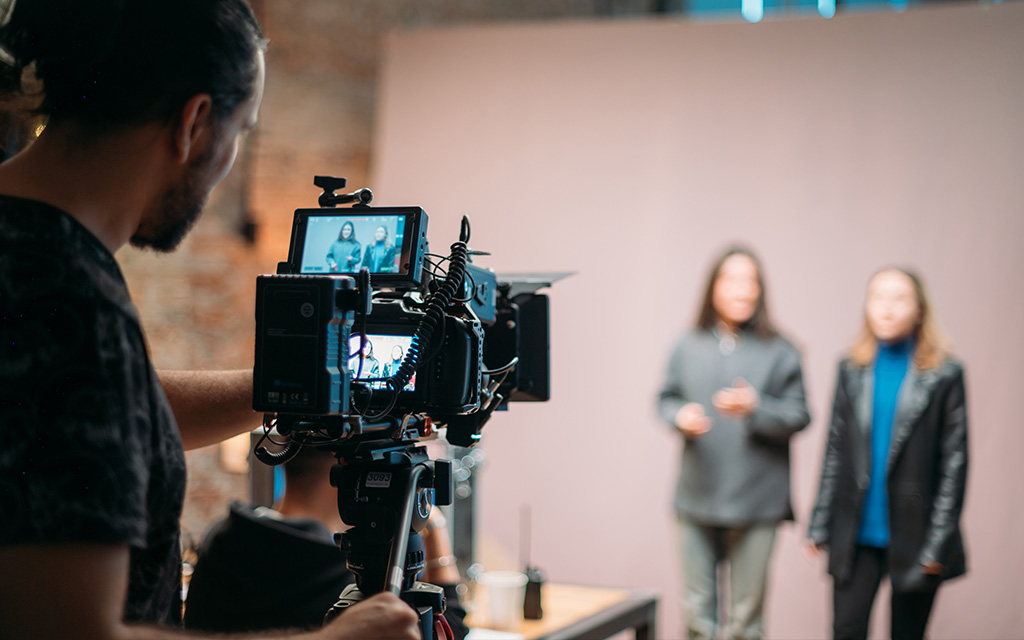
🎥 A beautifully designed podcast studio interior — warm lighting, clean layout, microphones, and subtle brand colours. Include hosts and guests mid-conversation, looking relaxed and engaged.
Keywords: “modern podcast studio interior,” “video podcast recording design,” “aesthetic podcast room setup,” “creative interview studio lighting.”